

By Andrée-Anne Mainville
Sometimes, an artistic project guides you differently, not towards a place, but towards a deeper understanding. Madamikana - La Croisée des Chemins is one of those. Spotlight on this artwork circuit, both poetic and deeply anchored into the anicinabe culture, which is softly taking root in the five corners of Abitibi-Témiscamingue this summer.
A process rooted in memory
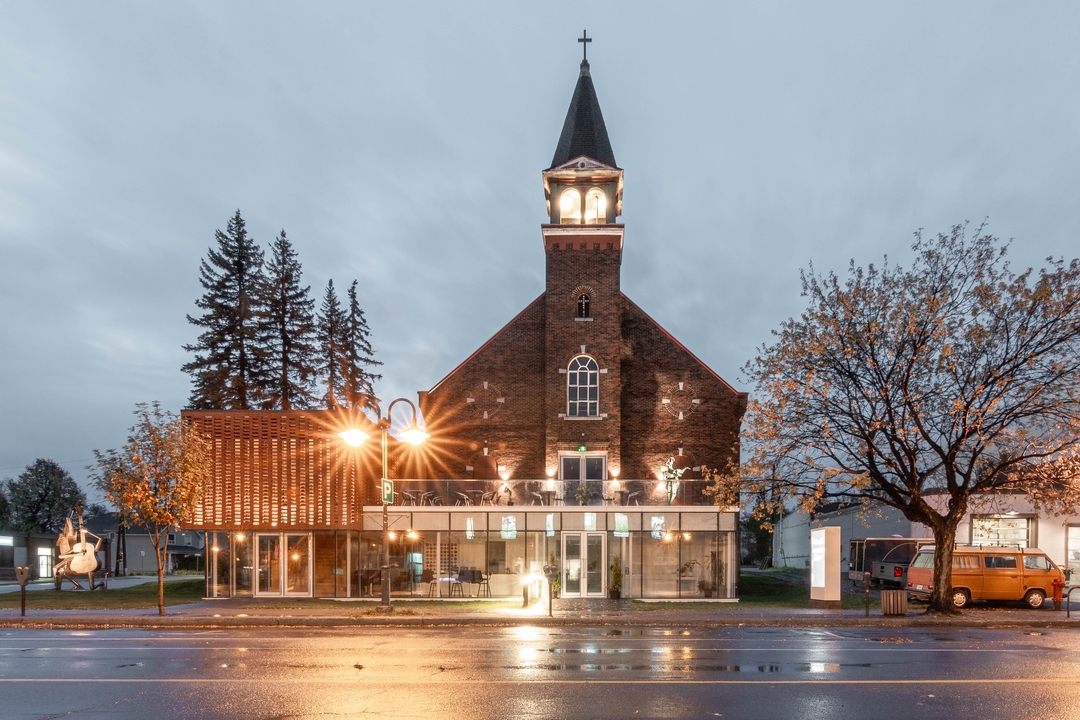
Madamikana - La Croisée des Chemins was born out of a vast artistic mediation project divided into two parts. The first, Nipakanatik, consists of the collect of archives of all kinds (photographs, stories, objects, etc.) coming from everywhere on the territory, with the collaboration of the communities and donors. The second part, Madamikana, aims to bring these archives to life by the creation of six contemporary artworks, imagined by anicinabek artists, or by artists wishing to pay homage to the anicinabe culture. The project thus emerged as a circuit made of six permanent art installations, set up throughout Abitibi-Témiscamingue, each of them created within a dialogue with both the archives and the elders.

Picture: Minwashin
At the crossroads
In Anishinaabemowin, the word madamikana means “the crossroads”: a place where multiple voices meet: history’s, the territories’ and the communities’. That is the spirit behind the project. It traces an artistic course rooted in the anicinabe cultural and territorial memory that builds a bridge allowing us to go and meet with this millennial presence. Honoring Gabrielle Demers’ beautiful metaphor, each of these six artworks act as an anchor, just as a star to contemplate in the collective sky, a testimony of both the past and the present.

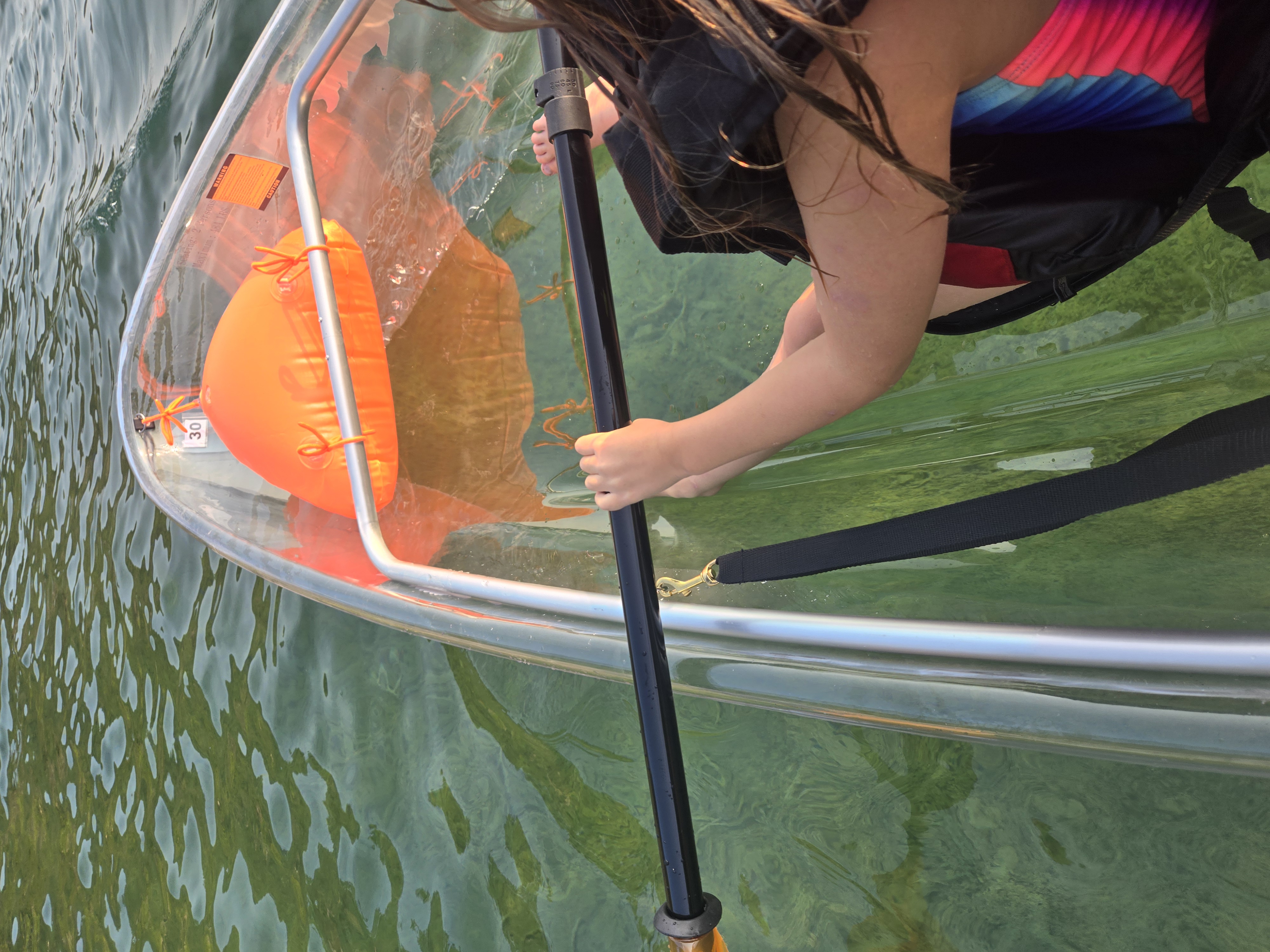
Picture: Minwashin
Minwashin: both a guardian and a cultural catalyst
Behind this massive initiative, there is Minwashin, a native cultural organization that started in 2017 which aims to valorize and revitalize the anicinabe language, arts and culture. Among other things, it supports artistic creation, collects oral knowledge, digitalizes the archives and develops innovative educational tools; all are actions having the potential to gather people around the anicinabe culture, to make it shine and to feed a movement of identity and culture reappropriation.

Picture: Molly Bertrand

Picture: Minwashin
Madamikana embodies that vision fully. Indeed, by weaving bonds between the artists, the memories and the communities, this project reminds us that the anicinabe culture is alive, that its knowledge can be transmitted, interpreted and reinvented, and most of all, that it embodies a place of meetings and exchanges.
A complete constellation
Since May 24th, the date of the exhibition opening for the very first artwork signed by Frank Polson at the Parc National d’Aiguebelle (sector of Taschereau), the creations originating from the Madamikana project take place progressively throughout the territory. Every artwork is unveiled in a location that is considered an ally, chosen carefully for its openness, its respect of the native culture and its will to take care of it.


On August 25th and 26th, the final two pieces will be revealed to the public: one by Eliane Kistabish, at the Corporation de La Maison Dumulon, and another by Fabienne Théorêt-Jérôme, at the Cégep de l’Abitibi-Témiscamingue (campus of Rouyn-Noranda). Beyond simple exhibition openings, these moments are true cultural rendez-vous, where everyone is welcome to immerse themselves into the evocative force of the previewed artwork. tay tuned to Minwashin’s Facebook page so you don’t miss a thing about these gatherings!
Finally, if you're passionate about art tours, this one will let you discover incredible works from Témiscabitibian artists. They're pieces that spark the imagination and fill us with pride. It's just waiting for you!